
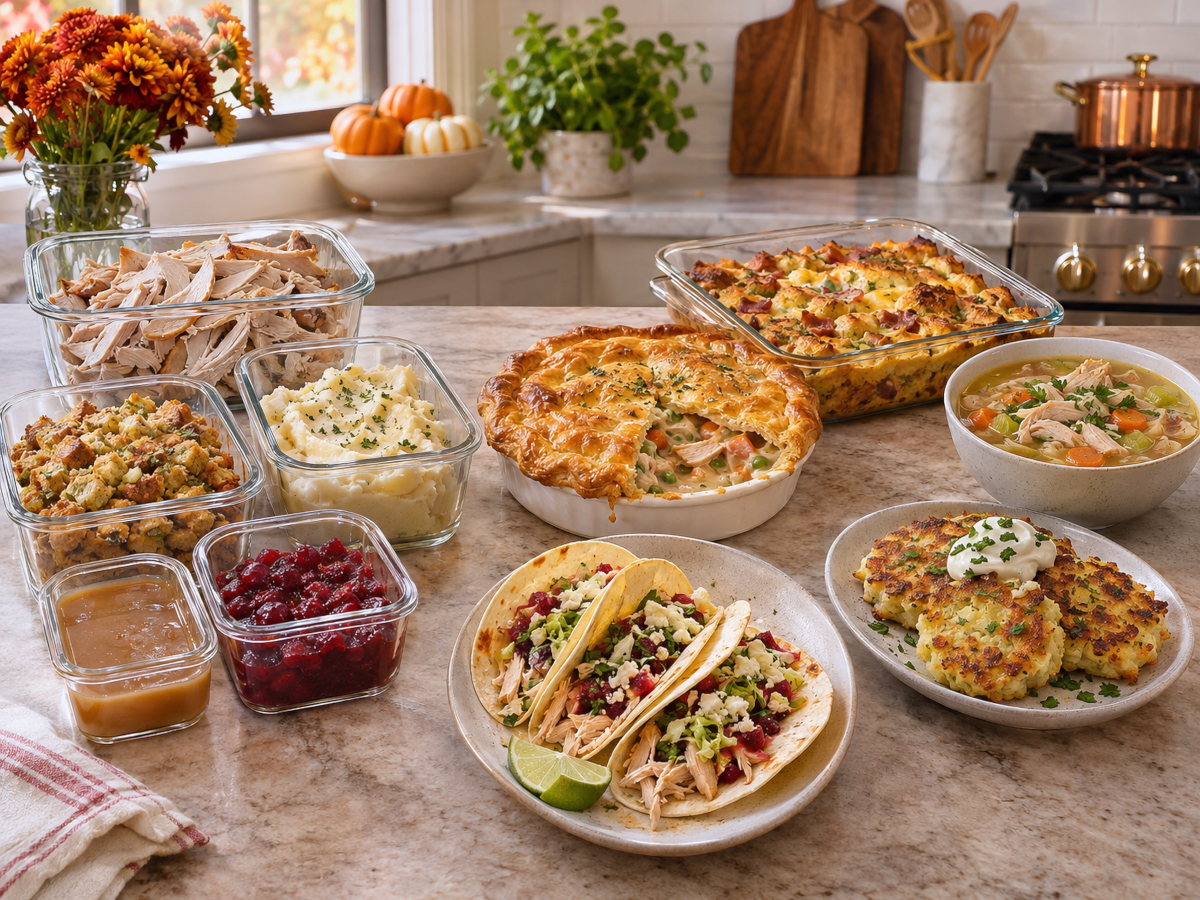
A refrigerator filled with Thanksgiving leftovers offers the ingredients for several days of cooking without requiring another extensive trip to the grocery store. Roasted turkey, mashed potatoes, stuffing, cranberry sauce, gravy, and vegetables can all become components of entirely different meals. Although a turkey sandwich remains a perfectly satisfying holiday tradition, changing how these ingredients are prepared can introduce considerably more variety to the days following Thanksgiving.
Much of the preparation normally required for these meals has already been completed. Vegetables have been roasted, potatoes have been cooked and seasoned, and the turkey is ready to incorporate into another dish. Gravy can provide the foundation for a savory filling, while stuffing contains seasoned bread that can absorb an egg custard and become a substantial breakfast casserole.
Working with leftovers requires some consideration of their existing flavors, moisture content, and texture. Roasted turkey breast benefits from preparations that limit prolonged exposure to heat, while refrigerated mashed potatoes are often firm enough to shape into patties. Even cranberry sauce, with its distinctive balance of sweetness and acidity, has applications well beyond its customary place alongside roasted poultry.
Start With Properly Stored Thanksgiving Leftovers
Before deciding what to prepare, consider how the leftovers were handled following the holiday meal. Federal food safety recommendations for Thanksgiving leftovers advise refrigerating perishable foods within two hours of removing them from cooking appliances or cold storage, unless they are being maintained at safe holding temperatures. When food is exposed to temperatures above 90°F, that window decreases to one hour. Perishable food left outside safe temperature conditions beyond these limits should be discarded.
Remove the remaining turkey meat from the carcass and divide larger quantities of food among shallow containers to promote rapid cooling. Keep the refrigerator at 40°F or below, and store the turkey, stuffing, and gravy separately. Labeling containers with their preparation dates makes it easier to determine which ingredients need to be used first.
Most properly refrigerated cooked Thanksgiving leftovers should be consumed or frozen within three to four days. The National Center for Home Food Preservation offers a more conservative recommendation of using refrigerated gravy within one to two days, making it a reasonable ingredient to prioritize. Freezing portions early also prevents the need to incorporate every remaining ingredient into meals over a single weekend.
Reheated leftovers should reach an internal temperature of at least 165°F, measured with a food thermometer. Soups, sauces, and gravies should be brought to a rolling boil when reheated, as explained in Rutgers Cooperative Extension’s holiday food safety guidance. Incorporating improperly stored food into a freshly prepared dish does not make it safe, regardless of the cooking method or final temperature.
1. Turn Leftover Turkey and Gravy Into a Savory Pot Pie
Turkey pot pie makes effective use of several Thanksgiving leftovers within a single preparation. Cooked turkey, gravy, carrots, peas, green beans, and other vegetables can form a savory filling beneath a golden pastry crust. Since the meat and many of the vegetables are already cooked, much of the work involves adjusting the consistency and seasoning of the filling.
Refrigerated gravy often becomes considerably thicker as it cools, particularly when it contains starch or gelatin from meat drippings. Reheat the gravy before assessing its consistency, adding a little unsalted stock or broth if necessary. The finished sauce should coat the turkey and vegetables without leaving excessive liquid that could interfere with the pastry’s texture.
Previously roasted vegetables contribute additional flavor, although their condition deserves consideration. Firm carrots and green beans generally withstand another cooking cycle better than vegetables that have already become quite soft. Combining leftover vegetables with a handful of frozen peas or freshly sautéed mushrooms can introduce additional texture without requiring much preparation.
A pastry topping made from refrigerated pie dough, puff pastry, or homemade pastry completes the dish. Using only a top crust simplifies preparation and avoids the difficulty of keeping a bottom crust crisp beneath a moist filling. Individual oven-safe dishes are another practical option when only a small quantity of turkey and vegetables remains.
Follow the baking recommendations appropriate to the pastry being used, and verify that the center of the filling reaches 165°F. A beautifully browned crust does not establish that the food underneath has been adequately heated. If the pastry begins browning too quickly, loosely covering it with aluminum foil can help protect the surface while the filling continues to heat.
2. Make Crispy Mashed Potato Cakes
Refrigerated mashed potatoes are particularly suitable for pan-fried potato cakes because they frequently develop a firmer consistency as they cool. Changes in the cooked potato starch, along with the solidification of any butter present, can contribute to this firmness. Frying the shaped potatoes introduces a crisp exterior around a soft interior, creating a substantially different texture from the original side dish.
The amount of additional binding material depends on how the mashed potatoes were originally prepared. A firm mash may hold its shape with little adjustment, while potatoes containing considerable amounts of milk or cream may need additional ingredients. A beaten egg can help bind the cakes as its proteins set during cooking, while flour or fine breadcrumbs can help manage excess moisture. Adding too much flour, however, can produce a dense cake that loses the creamy character of the potatoes.
Chopped scallions, chives, shredded cheddar, cooked bacon, or finely diced turkey can be incorporated into the mixture. Keep these additions reasonably small so that they do not interfere with the structure of the patties. Forming relatively thin cakes of similar thickness also makes it easier to brown their surfaces while heating the centers thoroughly.
Fry the cakes in a skillet containing a shallow layer of cooking oil over moderate heat. Allow the first side to develop a firm crust before attempting to turn it, and adjust the heat if the exterior browns before the center reaches 165°F. The finished potato cakes can accompany breakfast eggs, replace a conventional dinner side dish, or be served beneath reheated turkey and gravy.
3. Prepare a Breakfast Bake With Leftover Stuffing
Traditional bread stuffing already contains several ingredients commonly found in savory breakfast casseroles. Bread, onions, celery, herbs, butter, and sometimes sausage provide the foundation for a baked egg dish. Combining stuffing with an egg and milk mixture produces a preparation similar to a breakfast strata, a savory casserole in which bread absorbs custard before baking.
The amount of custard required depends partly on the moisture already present in the stuffing. A relatively dry preparation made with crusty bread may absorb more liquid than a soft dressing generously moistened with stock. Add the custard gradually, allowing the bread time to absorb it before deciding whether more is needed. The bread should become evenly moistened, with enough custard remaining to bind the casserole as the eggs cook.
Cooked breakfast sausage, chopped turkey, sautéed mushrooms, spinach, or shredded cheese can complement the existing seasonings. Mushrooms and spinach benefit from preliminary cooking to remove some of their moisture, which might otherwise accumulate in the casserole. Stuffing containing apples, dried cranberries, or other sweet ingredients may pair particularly well with sharp cheddar and breakfast sausage.
Arrange the mixture in a greased baking dish and bake until the custard has set and the center reaches 165°F. The depth of the dish, starting temperature of the ingredients, and amount of custard will influence the necessary cooking time. A relatively shallow baking dish provides a larger surface for browning and allows portions to be cut and served without disturbing the entire casserole.
4. Make Turkey Stock and Homemade Soup
The turkey carcass can remain useful long after most of the meat has been carved away. Connective tissue, cartilage, bones, and small pieces of meat can contribute flavor and body to homemade stock. Turkey that was roasted with herbs and aromatic vegetables may also carry some of those seasonings into the finished liquid.
The Institute of Culinary Education’s explanation of stock preparation describes the traditional use of bones, aromatic vegetables, herbs, and gentle simmering to develop a flavorful cooking liquid. During prolonged cooking, some of the collagen present in connective tissue converts to gelatin. A stock containing sufficient gelatin may become noticeably thick or even set into a soft gel when refrigerated.
Use a carcass that was refrigerated or frozen promptly after the original meal. Place the bones in a suitably sized pot with onions, carrots, celery, bay leaves, and peppercorns, adding enough water to cover the ingredients. Bring the liquid to a boil, then reduce the heat to maintain a gentle simmer. Vigorous boiling and excessive stirring can disperse fat and fine particles throughout the liquid, making the stock cloudier, although cloudiness itself does not indicate poor flavor or unsafe preparation.
Seasoning should remain modest during the initial cooking process. A previously brined or heavily seasoned turkey may contribute a considerable amount of salt, and reducing the stock will concentrate that salt further. Strain the finished liquid carefully through a fine-mesh strainer to remove small bones and other solids before adjusting its seasoning.
The stock can then become the foundation for turkey noodle soup, turkey and barley soup, or a vegetable soup containing shredded turkey. Cook fresh vegetables, grains, or noodles as needed before adding previously cooked turkey and leftover vegetables toward the end of preparation. This limits unnecessary cooking of ingredients that have already reached their desired tenderness while allowing the entire dish to heat thoroughly.
Homemade stock intended for later use should be divided among small, shallow containers and refrigerated or frozen promptly. An ice-water bath can help accelerate cooling when handling a large quantity of hot liquid. Avoid leaving a full stockpot on the counter for several hours, since the center of a large volume of liquid can remain warm for an extended period.
5. Give Leftover Turkey a Different Flavor With Tacos
Thanksgiving turkey is often seasoned with sage, thyme, rosemary, garlic, and other familiar roasting herbs. Those flavors work well in pot pies and soups, but introducing a different combination of seasonings can make the remaining meat suitable for meals with a completely different character. Tacos provide an especially convenient preparation because both white and dark turkey meat can be used.
Dark meat generally contains more fat than breast meat and lends itself well to a shredded skillet filling. Breast meat can also work nicely, particularly when reheated with a small amount of broth, salsa, or tomato sauce. The added liquid helps distribute seasonings and compensates for some of the dryness that can develop during reheating.
Cumin, chili powder, smoked paprika, garlic, oregano, and lime can establish the flavor of a turkey taco filling. Briefly warming the ground spices in oil before introducing the liquid helps release and distribute some of their aromatic compounds. Keep the heat moderate during this stage, since ground spices can scorch quickly and develop an unpleasant bitterness.
Add the shredded turkey and enough liquid to keep the mixture moist, then cook until the meat reaches 165°F. Shredded cabbage, diced onions, fresh cilantro, avocado, radishes, and pickled vegetables provide contrasting textures and flavors without requiring additional cooking.
Leftover cranberry sauce can also become an accompaniment. Mixing a small quantity of safely stored cranberry sauce with minced jalapeño, lime juice, chopped onion, and cilantro produces a sweet and tart relish that pairs well with seasoned poultry. If the cranberry sauce is particularly sweet, start with a modest amount and adjust the lime juice and chili to prevent the fruit from overwhelming the savory filling.
6. Use Turkey and Roasted Vegetables in Fried Rice
Fried rice is especially useful when only small quantities of several Thanksgiving dishes remain. A handful of chopped turkey, a few roasted carrots, leftover green beans, and some peas can become a substantial meal when combined with rice and fresh aromatics. Vegetables that retain some firmness are generally preferable, since very soft vegetables can break apart during stir-frying.
Properly refrigerated cooked rice often works well because its starches reorganize as the rice cools, producing firmer grains. Surface moisture also influences how readily the rice separates and fries. As culinary writer J. Kenji López-Alt explains in his examination of fried rice cooking techniques, freshly cooked rice can also produce excellent results when excess surface moisture is allowed to evaporate briefly before frying.
Rice requires careful handling because it can contain spores of Bacillus cereus, some of which may survive ordinary cooking. The University of Maine Cooperative Extension’s guidance on leftover rice explains that improper cooling and storage can allow bacteria to multiply and produce toxins that reheating may not destroy. Refrigerate cooked rice promptly in shallow containers if preparing it in advance, and never leave it sitting at room temperature for prolonged periods simply to obtain a drier texture.
Prepare the turkey, vegetables, and aromatics before heating the skillet or wok, since the cooking process moves relatively quickly. Break apart any large clumps of refrigerated rice and drain vegetables that contain excessive liquid. A wide cooking surface and smaller batches help prevent overcrowding, allowing moisture to escape rather than accumulating and steaming the ingredients.
Garlic, ginger, scallions, scrambled eggs, and a modest amount of soy sauce provide a suitable foundation for this variation. Cook the eggs until set, and heat the rice, turkey, and vegetables thoroughly to 165°F. Taste the finished mixture before adding more seasoning, particularly if the Thanksgiving vegetables or turkey already contain considerable amounts of salt.
7. Turn Cranberry Sauce Into a Warm Fruit Crumble
Cranberry sauce is an ingredient that can easily be overlooked when planning meals around Thanksgiving leftovers. Its combination of sweetness and acidity makes it particularly suitable for desserts containing milder fruits. A fruit crumble offers a straightforward way to incorporate the remaining sauce without preparing another traditional pie crust.
Apples and pears make suitable companions because they provide additional fruit texture while softening the pronounced tartness of cranberries. Firmer apple varieties, such as Granny Smith or Honeycrisp, can retain distinct pieces during baking, while softer varieties may produce a more cohesive filling. Cutting the fruit into evenly sized pieces encourages more consistent cooking.
The amount of additional sugar required depends heavily on the original cranberry sauce. Commercial jellied sauce, homemade whole-berry sauce, and preparations containing orange juice or other fruits can differ considerably in sweetness and consistency. Taste the combined fruit and cranberry sauce before adding sugar, remembering that the crumble topping will also contribute sweetness.
Some cranberry sauces already contain sufficient thickening from naturally occurring fruit pectin or added ingredients. Fresh apples and pears, however, release additional liquid as they cook, and the finished filling may require a small amount of flour or cornstarch. A particularly thick cranberry sauce can instead benefit from being broken into smaller pieces and distributed throughout the fresh fruit before baking.
A topping made with flour, butter, brown sugar, and rolled oats provides a contrasting texture. Chopped pecans or walnuts contribute richness, while cinnamon, ginger, or orange zest complement the cranberry filling. Distributing the topping loosely over the fruit encourages the formation of irregular, crisp clusters rather than a tightly compressed layer.
Individual oven-safe ramekins are particularly useful when only a small amount of cranberry sauce remains. Their size allows the quantity of fresh fruit and topping to be adjusted without committing to a large dessert. Bake until the fruit is tender, the filling is bubbling, the topping has browned, and the reheated filling reaches 165°F. Served warm with vanilla ice cream, whipped cream, or a spoonful of plain yogurt, a cranberry and apple crumble offers a different balance of fruit, acidity, and crispness from the pumpkin and pecan pies traditionally served at Thanksgiving.