

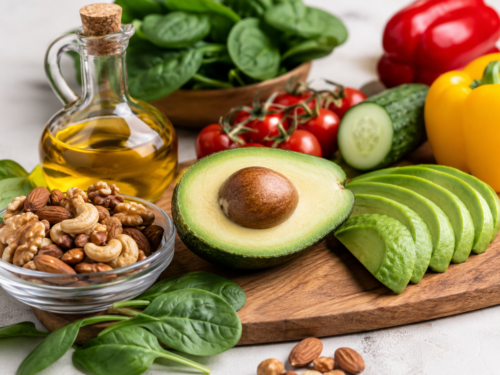
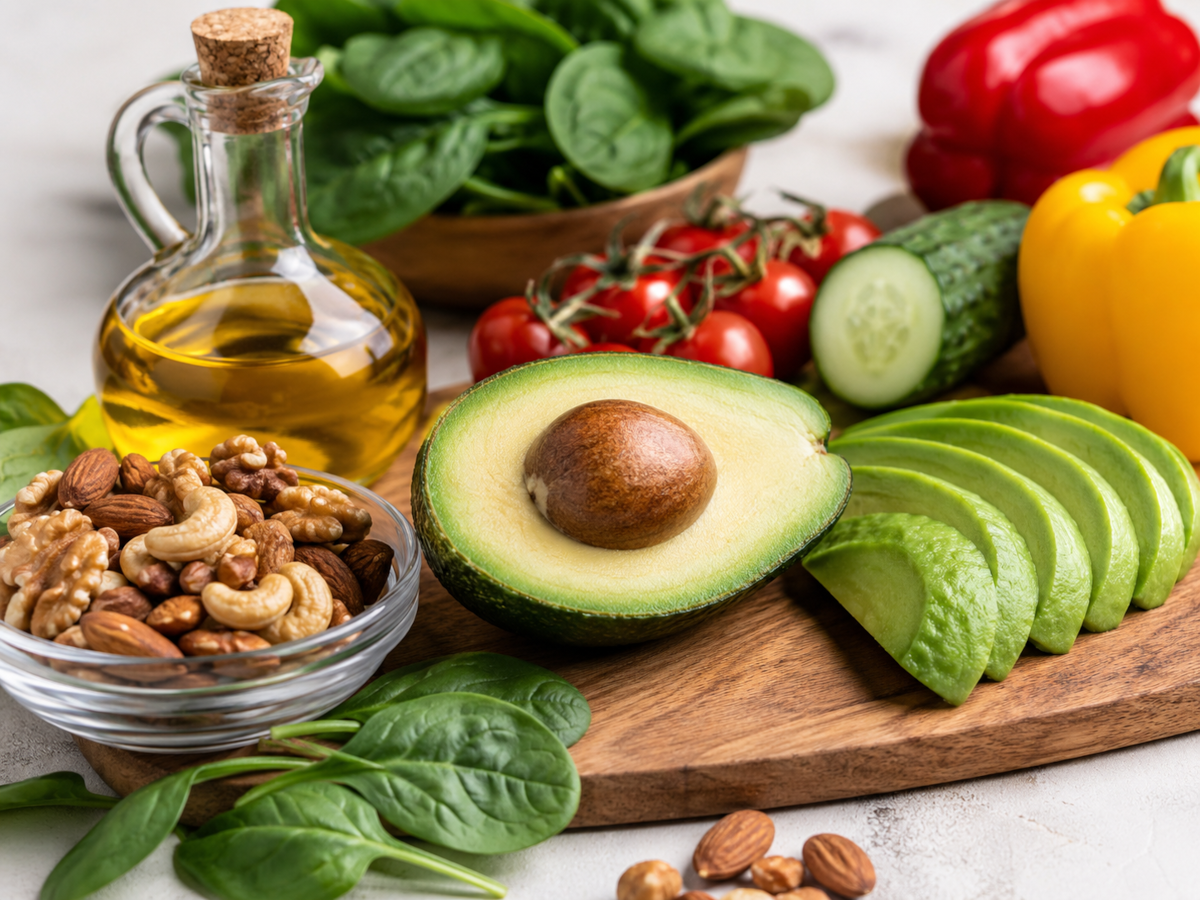
Avocados have become the darling of the health food world, gracing everything from toast to smoothie bowls. Yet despite their popularity, these creamy green fruits remain shrouded in nutritional misconceptions. As someone who’s spent years analyzing food science and nutritional data, I’ve encountered countless myths about avocados that simply don’t hold up to scientific scrutiny. Let’s separate fact from fiction and explore what the research actually tells us about this remarkable fruit.
Understanding the Avocado Foundation
Before diving into specific myths, it’s crucial to understand what makes avocados nutritionally unique. Unlike most fruits that derive their calories primarily from carbohydrates, avocados are predominantly fat-based. A single medium avocado contains approximately 320 calories, with about 77% coming from fats, 19% from carbohydrates, and 4% from protein. This unusual macronutrient profile is precisely what creates so much confusion and misinformation.
The fat content isn’t random either. Avocados contain a sophisticated blend of fatty acids, with oleic acid comprising roughly 70% of their total fat content. This is the same monounsaturated fat found in olive oil, which has been extensively studied for its cardiovascular benefits. The remaining fats include palmitic acid, linoleic acid, and smaller amounts of other fatty acids that contribute to various physiological functions.
Myth 1: Avocados Are Too High in Fat to Be Healthy
The Reality: This myth stems from the outdated notion that all dietary fats are inherently harmful. Modern nutritional science has thoroughly debunked this oversimplification. The fats in avocados are predominantly monounsaturated, specifically oleic acid, which research consistently links to reduced inflammation, improved heart health, and better cholesterol profiles.
Studies examining Mediterranean populations, who consume high amounts of monounsaturated fats, show significantly lower rates of cardiovascular disease. The Nurses’ Health Study, which followed over 80,000 women for 14 years, found that replacing saturated fats with monounsaturated fats reduced heart disease risk by 15%. Avocados provide these beneficial fats in a whole-food package, complete with fiber and other nutrients that processed oils lack.
Furthermore, the fat content actually enhances nutrient absorption. Fat-soluble vitamins A, D, E, and K require dietary fat for proper absorption, making avocados an excellent vehicle for maximizing the nutritional value of your entire meal.
Myth 2: Avocados Will Make You Gain Weight
The Reality: Weight gain occurs when you consistently consume more calories than you burn, regardless of the food source. However, avocados possess several properties that may actually support weight management rather than hinder it.
The fiber content in avocados is substantial—approximately 10 grams per fruit. This fiber slows digestion, promotes satiety, and helps regulate blood sugar levels. Research published in the Nutrition Journal found that people who ate half an avocado with lunch reported increased satisfaction and reduced desire to eat for up to five hours afterward.
The monounsaturated fats in avocados also play a role in appetite regulation. These fats trigger the release of hormones like cholecystokinin (CCK) and peptide YY, which signal fullness to the brain. This natural appetite suppression can lead to reduced overall calorie intake throughout the day.
Myth 3: Avocados Are Just Empty Calories
The Reality: This couldn’t be further from the truth. Avocados are nutrient-dense powerhouses containing over 20 vitamins and minerals. A single avocado provides more potassium than a banana—about 975 milligrams compared to 422 milligrams. This potassium is crucial for heart function, muscle contractions, and blood pressure regulation.
Avocados are also rich in folate, providing about 20% of the daily value. Folate is essential for DNA synthesis, red blood cell formation, and proper neural tube development during pregnancy. The vitamin K content supports bone health and blood clotting, while vitamin E acts as a powerful antioxidant protecting cells from oxidative damage.
The fruit also contains lutein and zeaxanthin, carotenoids that accumulate in the retina and may help protect against age-related macular degeneration. These compounds are better absorbed when consumed with fats, making avocados an ideal delivery system.
Myth 4: All Avocado Fats Are the Same
The Reality: This oversimplification ignores the complex fatty acid profile of avocados. While oleic acid dominates, avocados also contain alpha-linolenic acid (ALA), an omega-3 fatty acid that’s often deficient in Western diets. Though the amount is modest compared to fish or flaxseeds, every bit of omega-3 intake contributes to reducing inflammation and supporting brain health.
The fruit also contains small amounts of palmitoleic acid, a monounsaturated fat that may improve insulin sensitivity and reduce inflammation markers. This diversity of fatty acids creates a synergistic effect that’s greater than the sum of its parts.
Myth 5: Avocados Don’t Provide Enough Protein to Matter
The Reality: While avocados aren’t protein powerhouses, they do provide all essential amino acids, making them a complete protein source. A medium avocado contains about 4 grams of protein, which includes meaningful amounts of leucine, an amino acid crucial for muscle protein synthesis.
More importantly, the protein in avocados complements proteins from other plant sources. When combined with grains, legumes, or nuts throughout the day, avocados contribute to a complete amino acid profile that supports muscle maintenance and overall health.
Myth 6: Avocados Are Bad for People with High Cholesterol
The Reality: This myth likely stems from confusion about dietary cholesterol versus blood cholesterol. Avocados contain zero cholesterol—only animal products contain dietary cholesterol. Moreover, the monounsaturated fats in avocados can actually improve cholesterol profiles.
Research consistently shows that replacing saturated fats with monounsaturated fats reduces LDL (harmful) cholesterol while maintaining or increasing HDL (beneficial) cholesterol. A study in the Journal of the American Heart Association found that people who ate one avocado daily for five weeks experienced significant reductions in LDL cholesterol compared to those following other heart-healthy diets.
The beta-sitosterol in avocados further supports healthy cholesterol levels by competing with cholesterol for absorption in the intestines, effectively reducing the amount of cholesterol that enters the bloodstream.
Myth 7: You Can Eat Unlimited Avocados Without Consequences
The Reality: While avocados are nutritious, portion control still matters. Their calorie density means that overconsumption can contribute to weight gain if you’re not mindful of total caloric intake. The recommended serving size is typically one-third to one-half of a medium avocado, providing about 80-160 calories.
Additionally, some people may experience digestive discomfort from eating large amounts of avocados due to their high fiber and fat content. Those with sensitive stomachs should introduce avocados gradually and monitor their body’s response.
The Bottom Line
Avocados deserve their reputation as a nutritional powerhouse, but like any food, they’re best consumed as part of a balanced diet. The myths surrounding avocados often stem from oversimplified nutritional thinking that fails to consider the complexity of how foods interact with our bodies.
The scientific evidence overwhelmingly supports including avocados in a healthy diet. Their unique combination of monounsaturated fats, fiber, vitamins, minerals, and antioxidants provides multiple health benefits that extend far beyond basic nutrition. Rather than fearing their fat content or dismissing them as trendy, we should appreciate avocados for what they truly are: a remarkable example of how nature packages nutrition in delicious, accessible forms.
Understanding these facts empowers you to make informed decisions about including avocados in your diet, free from the confusion that myths and misinformation create. The key, as with all nutrition, is balance, variety, and listening to your body’s individual needs.