
Nothing quite matches the disappointment of cutting into what seemed like a perfect avocado, only to discover it’s still rock-hard or, worse yet, stringy and overripe. Whether you’re making guacamole for a weekend gathering or simply want that perfect slice for your morning toast, mastering the art of avocado selection, ripening, and storage can transform your culinary experience from frustrating guesswork into confident expertise.
Understanding Avocado Varieties and Their Characteristics
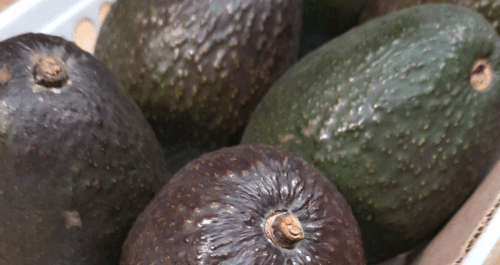
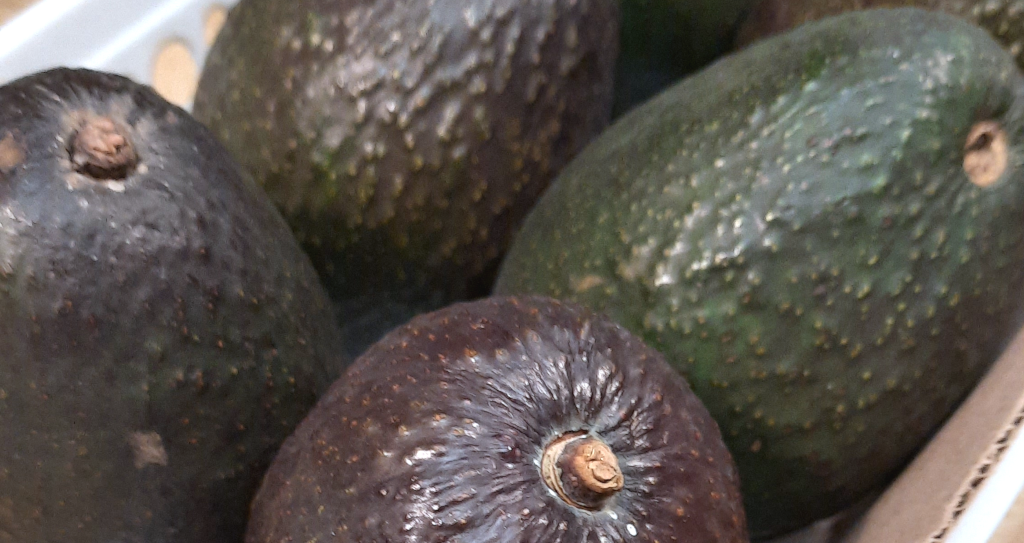
Before diving into selection techniques, it’s essential to understand that not all avocados are created equal. The most common variety you’ll encounter is the Hass avocado, with its distinctive pebbly, dark skin that turns nearly black when ripe. These avocados offer the creamy texture and rich flavor most people associate with the fruit. Fuerte avocados, with their smooth green skin, remain green even when ripe and tend to have a slightly different texture profile.
Each variety has its own ripening timeline and optimal storage conditions, but the fundamental principles remain consistent across types. Understanding these differences helps you make better purchasing decisions based on your intended use and timeline.
The Art of Selecting Perfect Avocados at the Store
When standing in the produce aisle, resist the urge to squeeze every avocado aggressively. Instead, use the gentle palm test: cradle the avocado in your palm and apply gentle, even pressure with your entire hand. A perfectly ripe avocado should yield slightly to pressure without feeling mushy or leaving permanent indentations.
Look beyond the obvious visual cues. While color can be an indicator, it’s not always reliable, especially with different varieties. Focus on the feel and examine the stem end. If you can easily flick off the small stem nub and see bright green underneath, the avocado is likely ripe and fresh. If it’s brown underneath or the stem won’t budge, you might want to select another.
Pay attention to the skin’s texture and any dark spots or bruises. Small blemishes on the surface don’t necessarily indicate poor quality inside, but large soft spots or areas where the skin appears damaged often translate to compromised flesh.
Consider your timeline when shopping. If you need ripe avocados today, select those that are already soft to gentle pressure. If you’re planning ahead, choose firmer fruits and employ ripening techniques at home.
Mastering Home Ripening Techniques
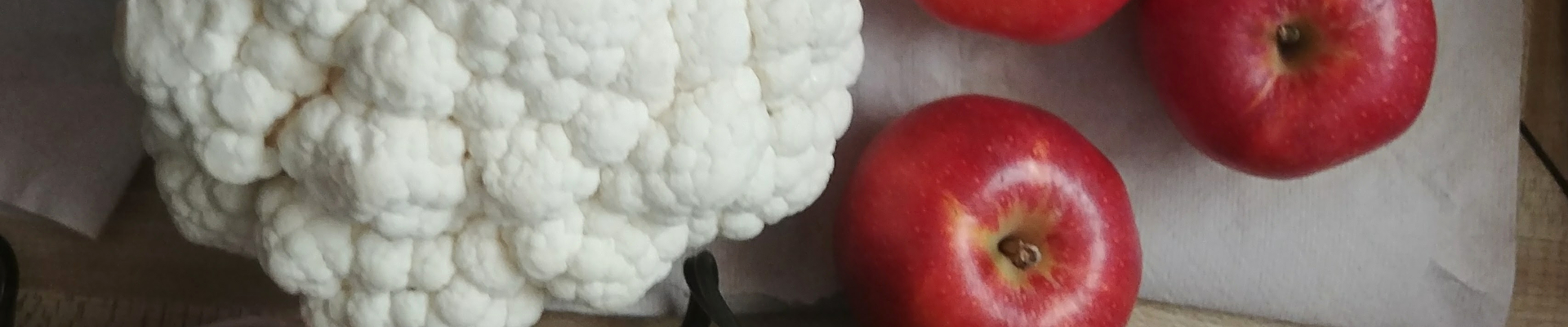
The classic paper bag method remains one of the most effective approaches for controlled ripening. Place unripe avocados in a brown paper bag with a banana or apple, then fold the top closed. These fruits release ethylene gas, a natural ripening hormone that accelerates the process. Check daily, as this method can ripen avocados in 24-48 hours depending on their initial firmness.
For even faster results, try the rice method. Bury unripe avocados completely in a bowl of uncooked rice, ensuring they’re covered on all sides. The rice traps ethylene gas more effectively than paper bags, potentially reducing ripening time to 12-24 hours. White rice works best for this technique, though brown rice can substitute if necessary.
Temperature plays a crucial role in ripening speed. Room temperature (around 68-72°F) provides optimal conditions. Avoid placing avocados near heat sources like stoves or in direct sunlight, as this can cause uneven ripening or damage the fruit’s texture.
If you need an avocado to ripen extremely quickly, wrap it in newspaper along with a banana, then place the bundle in a warm (but not hot) location. This combination of ethylene gas, insulation, and gentle warmth can sometimes ripen an avocado overnight, though results may vary in texture quality.
Storage Strategies for Different Ripeness Levels
Once your avocados reach perfect ripeness, proper storage becomes critical. Ripe, whole avocados can be refrigerated for 3-5 days, significantly slowing further ripening. Place them in the main body of the refrigerator rather than the crisper drawer, where humidity levels might be too high.
For cut avocados, prevention of browning becomes the primary concern. The browning occurs due to oxidation when the flesh comes in contact with air. Combat this by brushing exposed surfaces with lemon juice, lime juice, or white vinegar. The acid creates a barrier that slows oxidation significantly.
Proper wrapping technique matters enormously for cut avocados. Press plastic wrap directly against the exposed flesh, eliminating as much air contact as possible, then store in the refrigerator. This method can keep cut avocado fresh for 2-3 days.
An alternative storage method involves placing cut avocado halves in an airtight container with a slice of onion. The sulfur compounds in onions help prevent browning, though they may impart a very subtle flavor change that some people find objectionable.
The Freezing Question: When and How
Contrary to popular belief, avocados can be frozen, though the process changes their texture significantly. Frozen avocados work excellently for smoothies, dips, or other applications where the creamy texture will be blended or mashed anyway.
To freeze whole avocados, they must be ripe but not overripe. Cut them in half, remove the pit, and scoop out the flesh. Mash with a tablespoon of lemon juice per avocado to prevent browning, then portion into freezer bags or ice cube trays. Properly frozen avocado can maintain quality for up to six months.
For smoothie preparation, consider freezing avocado in pre-portioned sizes. Ice cube trays work perfectly for this, creating individual servings that can be added directly to blenders.
Never attempt to freeze whole, uncut avocados. The high water content will cause cell damage during freezing, resulting in a mushy, unpalatable texture when thawed.
Troubleshooting Common Avocado Problems
When avocados ripen unevenly, with some parts remaining hard while others become soft, the issue usually stems from inconsistent storage temperatures or physical damage during transport. To salvage partially ripe avocados, use the softer portions immediately and allow harder sections more time to ripen.
Stringy avocados often result from harvesting too early or poor growing conditions. While you can’t completely fix this issue, removing the strings and mashing the flesh can make it more palatable for dips or spreads.
If you accidentally purchase overripe avocados with dark spots throughout the flesh, don’t discard them immediately. Cut away the dark portions and use the remaining good flesh quickly. These avocados often work well for baking applications where the slightly fermented flavor won’t be as noticeable.
Maximizing Your Avocado Investment
Understanding seasonal availability can help you make better purchasing decisions. Avocados are typically less expensive and higher quality during their peak seasons, which vary by growing region. California avocados peak from spring through fall, while Mexican varieties are often best in winter months.
Consider buying avocados at different ripeness stages if you consume them regularly. Purchase some ready-to-eat and others that need several days to ripen, ensuring a steady supply without waste.
Store-bought guacamole and pre-made avocado products rarely match the quality of fresh preparation, making your newfound expertise particularly valuable for both everyday meals and special occasions.
Conclusion
Mastering avocado selection, ripening, and storage transforms what many consider a frustrating grocery store gamble into a predictable, controllable process. With these techniques, you’ll consistently enjoy perfectly ripe avocados exactly when you want them, whether that’s for tomorrow’s breakfast or next week’s dinner party. The key lies in understanding the science behind ripening, employing the right techniques for your timeline, and storing properly to maximize freshness and minimize waste.